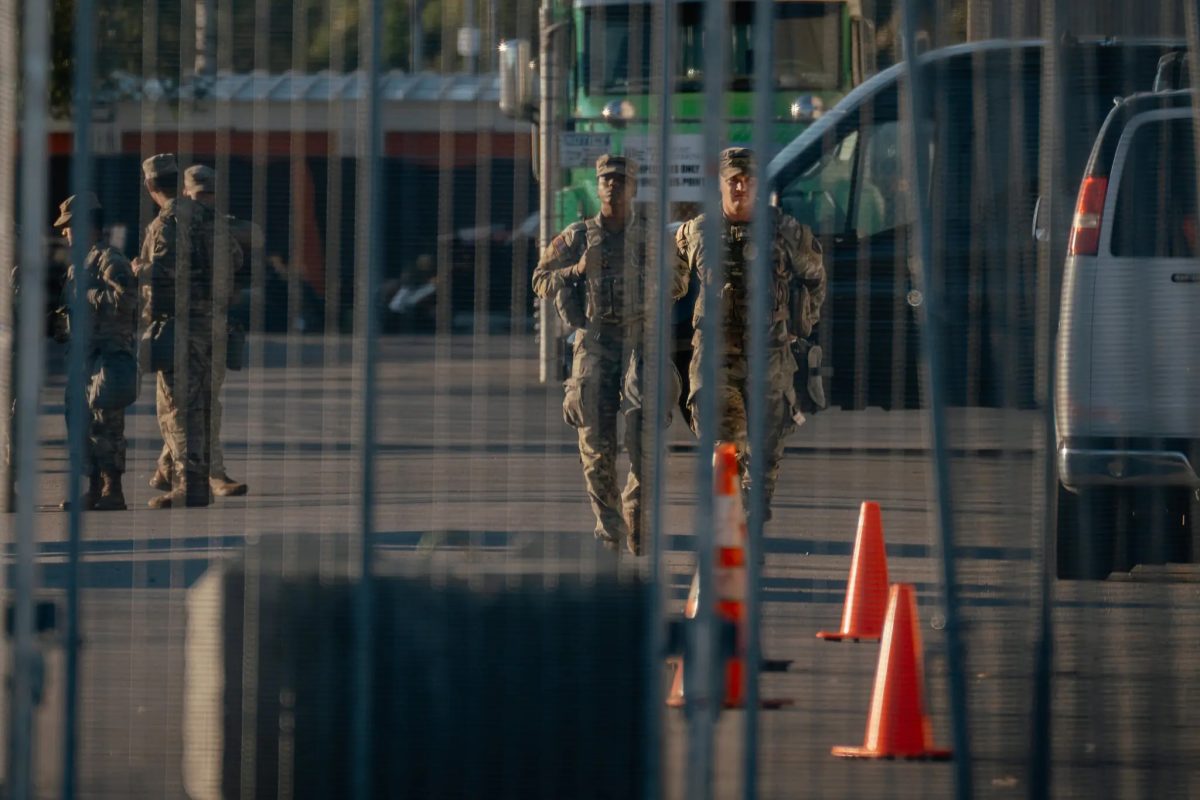
In a significant ruling, the U.S. Supreme Court temporarily blocked the Trump administration from deploying National Guard troops to the Chicago area, delivering one of its first major setbacks to Trump’s expansive claims of executive power in months. The decision was heavily influenced by an unusual source: a friend-of-the-court brief submitted by Georgetown law professor Martin S. Lederman.
Lederman identified a critical flaw in the administration’s legal argument, one that none of the parties to the case had raised. The administration relied on a statute allowing National Guard deployment when the president is “unable with the regular forces to execute the laws of the United States,” interpreting “regular forces” to mean civilian law enforcement. Lederman argued, based on historical and textual evidence, that the term refers instead to the U.S. military. The Court agreed, concluding that the administration had not shown that regular military forces were unavailable or insufficient.
The unsigned majority opinion adopted this interpretation, emphasizing statutory text and history, while three conservative justices dissented, criticizing the Court for relying on an argument not presented by the parties. The ruling halts similar National Guard deployments in cities like Los Angeles and Portland, at least for now.
Importantly, the decision leaves open the possibility that President Trump could invoke the Insurrection Act—a far more sweeping statute—to deploy the military domestically. Several justices, including Justice Brett Kavanaugh, warned that the ruling could incentivize the administration to pursue this more aggressive path.