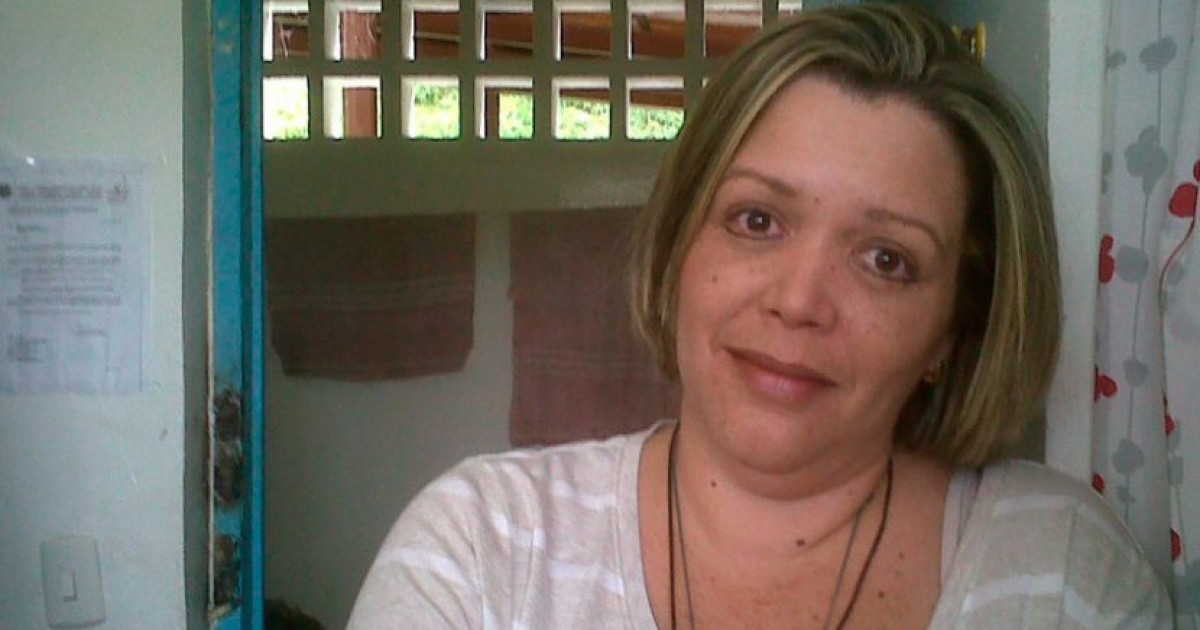
Judge María Lourdes Afiuni, Once Chávez’s “Personal Prisoner,” Fully Freed After 16 Years
Former Venezuelan judge María Lourdes Afiuni has been granted full freedom, closing a case that ran more than 16 years and became emblematic of the collapse of judicial independence in Venezuela. The ordeal began in December 2009, when Afiuni ordered the release on bail of banker Eligio Cedeño, who had been held in pre-trial detention past the legal limit; Hugo Chávez denounced her on national television the next day, called for a 30-year sentence, and intelligence agents arrested her within hours — earning her the label of the president’s personal prisoner. Her status shifted repeatedly over the years, from prison to house arrest in 2011 to conditional release in 2013, followed by a five-year sentence in 2019 on a charge her defenders disputed as baseless. She was freed later that year alongside 21 others after then-UN human rights chief Michelle Bachelet intervened with Nicolás Maduro, but under restrictions — no speaking to the press or on social media, no voting, political disqualification and no passport — that persisted until now. Word of the closure reached her in hospital, where she is being treated for hypertension and three tumour lesions requiring urgent care. Her family called the decision the end of a painful chapter of rights violations while cautioning that it neither erases the suffering nor repairs the damage, and framed the case as a warning to the region about using the justice system to retaliate against independent judges. Opposition leader María Corina Machado welcomed the news and urged that Afiuni be allowed to leave the country for treatment. The release comes amid a broader wave of political prisoner releases and ongoing US-backed transition talks.